
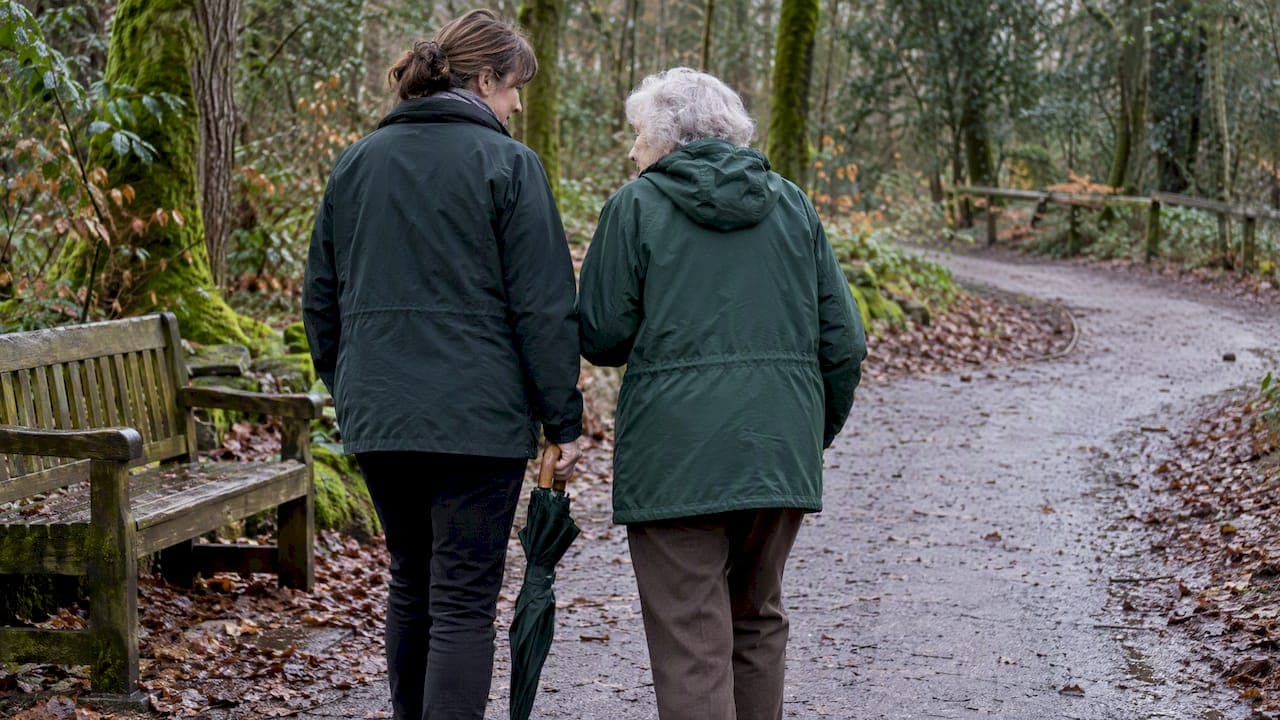
The most helpful dementia-friendly outings are low-stimulation, nature-based and routine-friendly: think botanical gardens, quiet museum sessions and short gentle walks. These kinds of trips offer sensory stimulation without overwhelming anyone, and NHS guidance points to exactly this sort of outing for supporting mood and engagement. A little planning and some personal touches make all the difference between a lovely afternoon and a stressful one.
TL;DR:
- Nature-based outings and quiet museum sessions are ideal for dementia, offering sensory engagement without overwhelming individuals, especially when pre-planned and personalized.
- Pre-booking, confirming accessible facilities, and mapping rest stops are essential to avoid stress and manage wandering risks during outings.
- Connecting activities to personal memories and involving familiar routines or well-loved items boosts recognition and confidence on outings.
- Bringing elements of nature indoors or using virtual tours can replicate mood benefits when outdoor trips are not feasible.
- Support from a team or wider network enhances safety and planning, while starting with short visits helps build confidence and manage energy levels effectively.
Table of Contents
- 1. Gentle outing ideas that work well for most people
- 2. A planning and safety checklist before you set off
- 3. Tailoring the outing to the person, not the destination
- 4. Bringing the outdoors home when a trip isn't possible
- 5. How structured day programmes support outings and routine
- 6. Social interaction during outings matters as much as the destination
- 7. Weather considerations and adapting your plans
- 8. Bringing caregivers and support networks into the planning
- 9. A short habit that makes outings easier
- How a supervised day pass can take the planning off your hands
- FAQ
- Sources
1. Gentle outing ideas that work well for most people
Some outings suit people living with dementia better than others, mostly because they offer calm surroundings, familiar sensations and room to move at a comfortable pace. The NHS specifically recommends nature-based visits and quieter sessions for their accessibility and sensory benefits, and Dementia Adventure highlights gardening, walking and sensory activities as particularly well received during warmer months.
Here are outing types worth trying, with a quick note on why each helps and what to check first.
- Botanical gardens or local parks: the scents, colours and textures offer gentle stimulation; check whether paths are flat and benches are regularly spaced.
- Quiet museum sessions: many venues now run dedicated low-sensory hours with dimmed lights and smaller crowds; ring ahead to ask about carers' access and quiet times.
- Seaside visits: the sound of waves and fresh air can be deeply calming, especially for anyone with childhood seaside memories; check tide times and look for level promenade routes rather than sand.
- Short community walks: a familiar local route, even just around the block, keeps routine intact; keep it to a short, manageable time to start.
- Community groups and singing circles: social contact without pressure to perform; ask whether sessions are structured or drop-in, as structured tends to feel safer.
- Gardening workshops or allotment visits: hands-on, seasonal and often forgiving of mistakes; our gardening for dementia guide covers safety notes for visits like these.
- Small animal venues (farms, aviaries): gentle sensory and emotional engagement, particularly for anyone with a farming or pet-owning background; check noise levels, as some animal sounds can startle.
Before setting off anywhere, a short checklist helps: toilets nearby, somewhere to sit every few hundred metres, and a route length that matches the person's current stamina rather than how far they used to walk. On the day, the simplest adjustment is often the best one: if a venue feels busier than expected, head for the quietest corner first and let the person settle before moving on.
2. A planning and safety checklist before you set off
A well-planned outing removes most of the stress before it starts. Alzheimer's Society guidance on day trips lists practical steps, including pre-booking, accessibility checks and quiet spaces, as the biggest factors in a trip running smoothly.
- Pre-book wherever you can, especially quiet sessions or carers' access slots, so you are not turned away or queuing unexpectedly.
- Confirm accessible toilets and seating are available at the venue, not just somewhere nearby.
- Plan the route with rest points, including toilet stops and a buffer for slower walking, using transport and travel guidance that recommends mapping stops in advance and travelling at quieter times.
- Think about wandering prevention: know where the exits are, stay close to doorways in unfamiliar venues, and agree in advance who is watching whom.
- Pack a small bag: medication, some form of ID, a spare layer of clothing, a favourite snack and a recent photo in case you are separated.
Sunflower lanyards are recognised at some UK transport hubs and venues as a discreet signal of a hidden disability, which can smooth the way through busy spaces.
Pro Tip: Keep a laminated card in your bag with the person's name, your contact number and a line explaining they live with dementia; it saves precious time if you ever need help from a stranger or a member of staff.
3. Tailoring the outing to the person, not the destination
The best outings connect to something personal. Alzheimer's Society activity advice points to nature as a particularly strong sensory tool, and the effect multiplies when it taps into real memories rather than generic scenery.
- Use meaningful triggers: a favourite song playing softly in the car, the smell of cut grass, or a glimpse of a church spire from childhood can prompt recognition and calm.
- Add sensory elements thoughtfully: scented plants or something tactile to hold works well in low-stimulation settings, but pull back on extra sensory input if the person already seems overstimulated.
- Offer small, achievable tasks: holding a gate open, choosing which bench to sit on, naming a flower. These build quiet confidence rather than testing memory.
- Borrow from occupational therapy thinking: graded activity, starting small and building up gradually, keeps outings manageable and avoids the frustration of a task that is pitched too high.
4. Bringing the outdoors home when a trip isn't possible
Not every day allows for a trip out, and that is fine. Alzheimer's Society guidance notes that bringing natural objects indoors, seasonal flowers, scented herbs, pressed leaves, can reproduce much of the mood benefit that nature-based outings provide.
- Seasonal pots and sensory boxes: fill a tray with pine cones, lavender or autumn leaves for something to touch and smell.
- Press flowers together: a simple, calming craft, with straightforward steps available from the Natural History Museum.
- Try a virtual armchair visit: many gardens and museums now offer online tours that bring the outing to the sofa.
- Run a short reminiscence session: old photographs or a taste of a childhood favourite food can spark the same connection a trip out would.
Our dementia-friendly design guide has further room-by-room ideas for creating this kind of calm, stimulating space at home.
5. How structured day programmes support outings and routine
We run our days around a balance of sensory, social and physical activity, delivered by trained staff in a purpose-designed space. The team is trained in Cognitive Stimulation Therapy, the only non-drug therapy NICE recommends for mild to moderate dementia, which takes much of the planning and risk off families' shoulders.
6. Social interaction during outings matters as much as the destination
An outing is rarely just about where you go. The chance to chat with a shopkeeper, nod to another dog walker, or sit near a group of friendly strangers often matters more than the scenery itself.
Small, low-pressure social moments work best: a short exchange at a café counter, a wave to a familiar face at a regular venue, or sitting near, rather than in the middle of, a lively group. Structured community groups and singing circles give this social contact a gentle frame, since everyone present understands the pace and the purpose.

Familiarity helps enormously here. Returning to the same café or the same park bench means staff and regulars start to recognise the person, which builds a quiet sense of belonging over time. If an outing is the only social contact in someone's week, even a brief, pleasant exchange can lift mood well beyond the visit itself. Carers often find that choosing venues with a regular, friendly face behind the counter does more for engagement than choosing somewhere new and unfamiliar every time.
7. Weather considerations and adapting your plans
Weather can make or break an outing, and a flexible mindset saves a lot of disappointment. A grey or drizzly day does not have to mean cancelling altogether; it often just means adjusting the destination.
On wet or very cold days, swap an open park for a covered garden walkway, a quiet museum session, or a short drive with a flask of tea at a scenic stopping point. On hot days, plan around shade, carry water, and avoid the hottest part of the afternoon, aiming for a morning outing instead. Wind can be surprisingly unsettling for some people with dementia, so a sheltered route often works better than an exposed one, even if it is less scenic.
Always have a plan B ready before you leave the house: a second, indoor option close to your first choice means a sudden downpour does not have to end the outing early. Checking the forecast the night before, rather than on the morning itself, gives you time to adjust clothing, timing and destination without rushing.

8. Bringing caregivers and support networks into the planning
Outings tend to go more smoothly when more than one person is involved in the thinking behind them. A second carer, a family member or a support worker can spot things the main carer might miss, from an uneven kerb to a venue that turns out to be busier than expected.
Sharing the plan in advance, where you are going, roughly how long you will be out, and what to do if things go wrong, means everyone involved can help without needing to ask a string of questions on the day. For bigger trips, splitting responsibilities works well: one person manages transport and timing, another focuses on the person's comfort and pace.

Support networks also widen the pool of outing ideas. A friend who remembers an old hobby, or a sibling who recalls a favourite seaside town from years ago, can suggest destinations that trigger real recognition rather than guesswork. Involving the wider network also means the outing habit does not fall entirely on one tired carer's shoulders.
9. A short habit that makes outings easier
One of the simplest things we have seen work, again and again, is starting small. A short twenty-minute visit to a local park, with no agenda beyond a slow walk and a sit on a bench, often goes far better than an ambitious full-day trip. Build up gradually from there, and let the person's energy on the day guide how far you go.
— Scott @ The Clubhouse
How a supervised day pass can take the planning off your hands
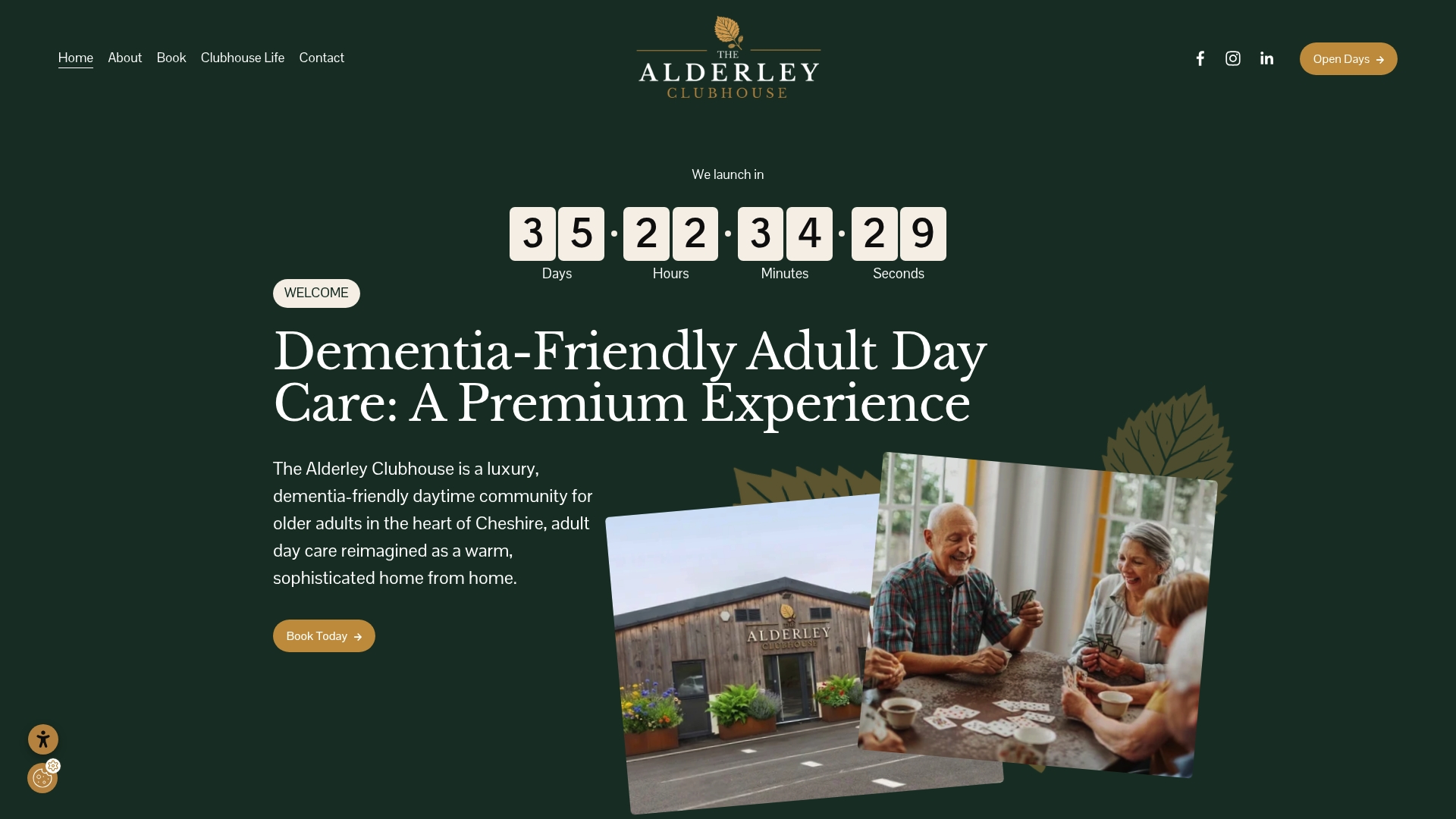
For days when an unsupervised outing feels like too much to manage alone, a structured day away from home can offer the same sensory and social benefits with far less risk. We designed Day Pass Membership at Alderley Clubhouse for exactly this: a purpose-built, fully accessible space in Cheshire, trained staff, a full programme of physical, creative and social activity, and proper hospitality built into the day.
Before booking anywhere, it is worth asking a few questions:
- Is a trial day available before committing to a longer pass?
- What is the staffing ratio, and is it consistent day to day?
- Is Cognitive Stimulation Therapy provided, and by trained staff?
- How accessible is the building itself, including parking and drop-off?
If the answer to those questions gives you confidence, a day pass can be a reassuring short-term alternative to a DIY outing, particularly on days when going it alone feels like a stretch too far. Day Pass Membership pricing is available on request when you enquire.
This article is general information, not a substitute for advice from a qualified doctor. Consult a qualified healthcare professional about your own circumstances before acting on anything here.
FAQ
What are some dementia friendly activities?
Gentle, familiar activities tend to work best: nature-based outings like garden visits and short walks, quiet museum sessions, gardening, singing groups and simple sensory crafts such as pressing flowers. NHS guidance recommends sensory-rich, low-stress options precisely because they support mood without overwhelming the person.
What stage of dementia is non-stop talking commonly linked to?
Frequent or repetitive talking is often reported in the middle stages of dementia, though this varies widely between individuals and is not a fixed marker of any single stage. If a change in speech pattern feels sudden or distressing, it is worth discussing with a GP or dementia specialist rather than relying on general stage descriptions.
What is the 90 second rule for dementia?
This is not a recognised clinical term from the organisations we draw guidance from, such as the NHS or Alzheimer's Society, so definitions online vary considerably. Rather than relying on an informal rule, it is safer to follow person-centred approaches such as allowing extra time for a response and reducing surrounding noise, as recommended in general dementia care guidance.
How do you keep a dementia patient entertained during the day?
Short, familiar and sensory activities work well: a seasonal sensory box, a gentle walk, music from their younger years, or a simple task like folding laundry or watering a plant. Dementia UK guidance notes that tasks tied to lifelong hobbies tend to hold attention better than generic activities.
Sources
- Activities for dementia - NHS
- Tips when planning a day trip for people with dementia | Alzheimer's Society
- Dementia‑Friendly Hobbies: Making the Most of the Summer — Dementia Adventure
- Transport and travelling tips when someone has dementia | Alzheimer's Society