
The first thing to do is complete a Herbert Protocol form and prepare simple ID, such as a bracelet or sewn-in label, before wandering ever occurs. Alongside this, build safer routines and clear walking spaces at home, and know when to call 999 versus 101. Trusted starting points are Alzheimer's Society and local supervised day services such as Clubhouse-group, which can add a real layer of daily safety.
TL;DR:
- Completing a Herbert Protocol form and using simple ID tools like bracelets or sewn-in labels can significantly aid in quick identification if a person goes missing.
- Monitoring triggers such as physical discomfort, disrupted sleep, and emotional distress through behavior logs helps tailor prevention strategies effectively.
- Implementing layered home safety measures, including visual cues and garden modifications, reduces the risk of wandering, especially during peak times.
- Relying solely on GPS devices has limited effectiveness; a combination of low-tech ID tools and careful routines provides the most reliable safety net.
- Participating in supervised day services like Clubhouse-group offers comprehensive support by understanding individual routines and early signs of restlessness.
Table of Contents
- What causes wandering, and how do you spot the signs?
- How can you reduce wandering risk at home?
- Which GPS and ID tools actually help?
- What should you do if the person goes missing?
- How does a dementia day service put this into practice?
- How can you make the local area safer for walking?
- A carer's honest perspective on wandering safety
- How Alderley Clubhouse gives carers daily peace of mind
- Sources
- FAQ
What causes wandering, and how do you spot the signs?
"Wandering" covers several different behaviours, and they don't all need the same response. Some people pace indoors with no obvious goal. Others walk with real purpose, convinced they need to collect a child from school or get to a job they retired from decades ago. This second pattern, often called "walking with purpose", is one of the trickiest to manage because the person genuinely believes they have somewhere to be.
Triggers are usually medical, environmental, or emotional, and often layered together:
- Physical discomfort such as pain, a urinary tract infection, hunger, or the need for the toilet
- Disrupted sleep or confusion about the time of day, common in the middle stages of dementia
- Anxiety, boredom, or a sense of being unsafe in unfamiliar surroundings
- Unmet needs the person cannot put into words, including loneliness or restlessness
A short behaviour log helps enormously. Note the time, the location, where they said they were going, and their mood beforehand. Patterns tend to emerge within a week or two, which makes prevention far easier to target.
How can you reduce wandering risk at home?
Prevention works best as layered habits rather than a single fix, and it starts with understanding the pattern you've logged rather than reacting to each incident individually.
- Map the pattern, then adapt the day. If wandering peaks at 4pm, build a scheduled walk or a purposeful task, folding towels, watering plants, into that window before restlessness sets in.
- Give the day structure. Regular mealtimes, a consistent wake-up routine, and short bursts of meaningful activity reduce the aimless energy that often precedes wandering.
- Adapt the home. Clear walkways of trip hazards, use contrasting colours on door frames so exits are easier to judge, and try visual diversion techniques, a mural or curtain over the front door, or a "stop" sign at eye level, which can be enough to break the impulse to leave.
- Make the garden safe rather than sealing it off. Secure gates, remove ponds or hazards, and add a bench so outdoor space still feels available.
- Plan for night-time separately. Keep a consistent bedtime routine, use low-level lighting rather than darkness or harsh brightness, and resist the idea of sedating medication as a preventive step. Alzheimer's Society guidance is clear that sedatives increase fall risk and confusion rather than solving the underlying restlessness.
- Consider discreet sensors. Pressure pads by the bed or door sensors that chime when a door opens can buy you crucial minutes overnight without needing to lock anyone in.
Pro Tip: Try moving a favourite chair or a familiar photograph near the back door. Small, personal anchors sometimes reduce the pull towards leaving far more than any lock does.
Locked doors raise a genuine ethical question. If the person still has the mental capacity to understand the risks of walking alone, they retain the right to take that risk, and restricting them without good reason can cause real distress. When capacity is lacking, decisions about restriction should be made in the person's best interests, ideally with input from family, a GP, or social services, under the framework of the Mental Capacity Act 2005. This is one area where a quick conversation with an Admiral Nurse through Dementia UK can genuinely settle an uncertain decision.
Which GPS and ID tools actually help?
Technology sits alongside good routines, not instead of them. A review of wander-management strategies found a wide range of high-tech and low-tech interventions in use, with generally mixed and low-quality evidence overall, which means no single gadget should be treated as a guarantee of safety, but a sensible combination genuinely helps.
The main categories worth knowing:
- GPS pendants or watches that show real-time location via a smartphone app
- Smartphone location sharing, useful if the person still carries and charges a phone reliably
- RFID or NFC ID tags, sewn into clothing or worn as a bracelet, that link to contact and medical details
- Door sensors and telecare alarms that alert a carer the moment an exit door opens
- MedicAlert bracelets and helpcards, which give paramedics or the public instant access to a medical summary
On identification, MedicAlert bracelets and simple helpcards remain some of the most reliable low-tech tools available, because they work even when batteries fail.
It's worth setting realistic expectations on GPS specifically: police allocation of tracking devices is typically based on a risk assessment, not handed out universally, and priority usually goes to people who have gone missing before. Before choosing a device, check usability for the person's dexterity, how the alert reaches you, battery life under daily use, and whether it's waterproof.
What should you do if the person goes missing?
Act in this order, and act fast.
- Search the immediate area first, checking familiar routes, favourite shops, or previous destinations noted in your behaviour log.
- Call 999 immediately if there's any reason to think the person is in danger, from weather exposure, traffic, or being near water. Use 101 for a non-urgent missing person report, following NHS-linked guidance on when each number applies.
- Hand over your Herbert Protocol details, or confirm the police already have access via Safe and Found Online, including a recent photo, daily routines, and likely routes.
- Contact neighbours or local groups once police are aware, and use social media only if officers suggest it.
- Have practical details ready: current medication, whether they can drive or access a car, and any mobility aids they use.
Police searches move faster when carers can describe specific, named locations rather than general areas, so the detail you log in advance genuinely earns its keep here.
How does a dementia day service put this into practice?
At Clubhouse-group, structured days, capped attendance, and Cognitive Stimulation Therapy sessions mean our team gets to know each member's routines and favourite spots in real depth. Small cohorts make it far easier to notice when someone seems unsettled before it becomes a wandering episode.
You can borrow the same logic at home: keep an "activity card" of go-to calming tasks, jot down favourite walking routes with family, and create a sensory point, a scented plant, a wind chime, somewhere the person can linger safely outdoors.

How can you make the local area safer for walking?
Home safety only covers half the picture. If wandering does happen, or if independent walking is still part of daily life, the neighbourhood itself matters.
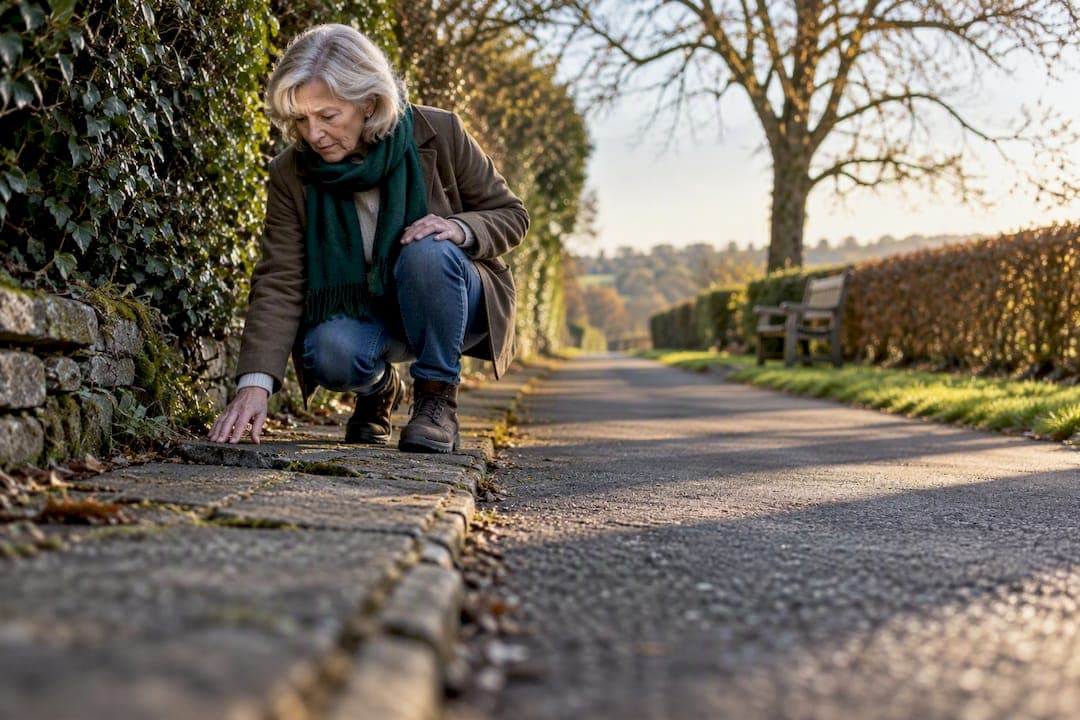
Start by walking the usual routes yourself and noting genuine hazards: busy junctions, unfenced water, uneven pavements, or a route that passes a level crossing. Where possible, encourage walks along quieter, more predictable loops rather than routes crossing main roads, and get to know the shopkeepers, postal workers, or dog walkers who share that route. A surprising number of missing-person cases resolve quickly because a local shopkeeper recognised the person and rang a family member directly.
Talk to close neighbours honestly about the situation. Most are glad to know, and a quiet word ("if you see Mum outside on her own, could you just call me?") often does more good than any gadget. Some communities now run informal "dementia friendly" schemes where local businesses agree to help someone who seems lost find their way home or wait safely until a carer arrives. Ask at the local library, GP surgery, or council office whether such a scheme exists nearby, since many are run quietly and aren't always advertised online.
If the person tends to walk the same loop repeatedly, consider whether a bench, a bus shelter, or a café along that route could become a natural "waiting point" you can direct them towards if they seem disoriented.

A carer's honest perspective on wandering safety
Fear and exhaustion both cloud judgement, and most carers I've spoken to feel both at once when wandering first starts. The advice that actually helps isn't complicated: get the Herbert Protocol done now, while you're calm, not during a crisis. Know your 999 versus 101 thresholds cold. And accept that a few hours of supervised respite each week, whether through local support groups or a day service, often prevents more wandering than any single gadget ever will.
— Scott @ The Clubhouse
How Alderley Clubhouse gives carers daily peace of mind
Clubhouse-group is the practical alternative to piecing together safety measures alone at home. Where GPS devices, door sensors, and ID bracelets each cover one gap, a supervised day at Alderley Clubhouse covers all of them at once, with staff trained in Cognitive Stimulation Therapy watching for the restlessness that so often precedes wandering.

Days run 9:30am to 4:30pm, Monday to Friday, a full hour longer than most local provision, with breakfast on arrival, a cooked two-course lunch, afternoon tea, and a full programme of activities in a purpose-built, dementia-friendly building. Attendance is capped at 35 members a day, so staff genuinely know each person's habits and favourite routes, the same principle carers use for their own behaviour logs at home. If you'd like to see how that daily structure could ease your own wandering worries, book a Day Pass and see the difference a properly supervised day makes.
This article is general information, not a substitute for advice from a qualified doctor. Consult a qualified healthcare professional about your own circumstances before acting on anything here.
Sources
- Herbert Protocol (DBTH NHS)
- Supporting a person with dementia who walks about | Alzheimer’s Society
- Wander-management strategies review (PMC)
- The Herbert Protocol (Dementia UK)
FAQ
How do I stop dementia wandering at night?
Keep a consistent bedtime routine, use low-level night lighting rather than darkness, and add a door sensor or pressure pad to alert you if they get up. Avoid sedating medication as a preventive measure, since it raises fall risk and can worsen confusion, according to Alzheimer's Society guidance.
At what stage of dementia does wandering usually start?
Wandering most often appears in the middle stages of dementia, when memory and orientation decline but mobility remains largely intact. It can still occur earlier or later depending on the individual, so tracking your own behaviour log matters more than relying on a fixed stage.
What should I do if a dementia patient is missing?
Search the immediate area first, then call 999 if there's any danger, or 101 for a non-urgent report, following NHS-linked guidance. Hand over your completed Herbert Protocol details immediately, including a recent photo and likely routes.
What is the best overall way to manage wandering?
There's no single fix. Combining a completed Herbert Protocol, simple ID measures, home adaptations, and a supervised day service such as Clubhouse-group tends to work far better than relying on any one method alone, particularly since reviewed evidence on wander-management tools remains mixed.
How much does a Clubhouse-group day pass cost?
Current pricing for the Day Pass Membership is available on the booking page.