
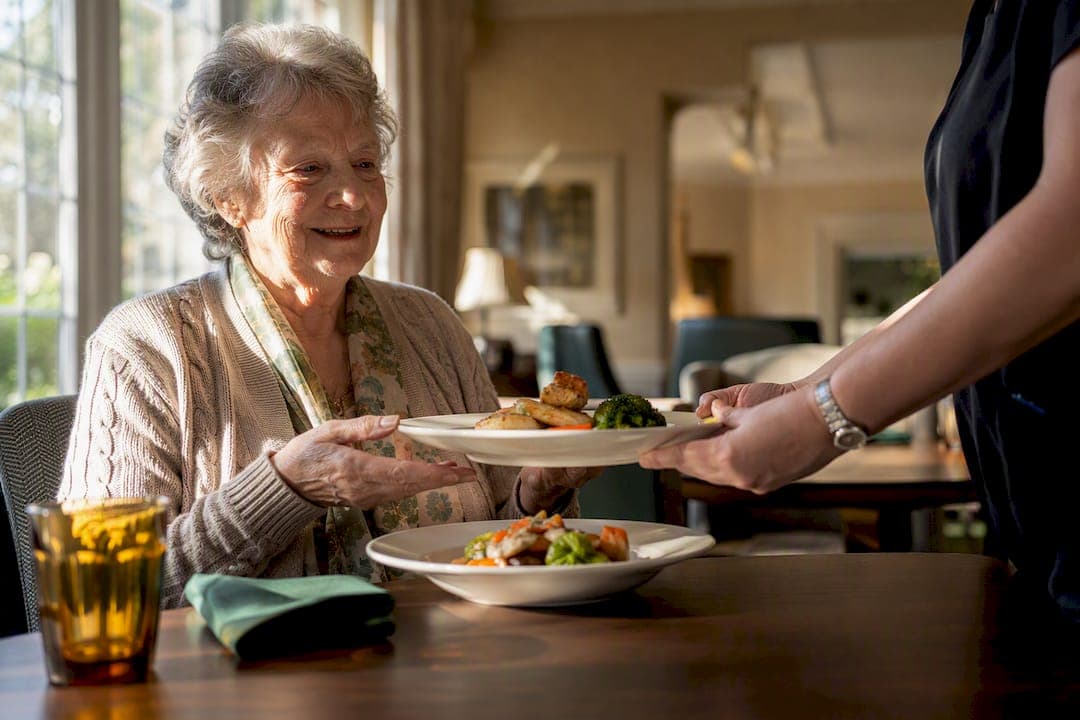
If you're worried about memory changes in Cheshire East, call your GP today and ask for a memory assessment. If a diagnosis is already in place, contact Cheshire East's Memory Service or Dementia Reablement Service directly. For free advice this afternoon, ring Alzheimer's Society or Age UK Cheshire. For immediate daytime respite, a paid day club can sometimes offer a place within days.
TL;DR:
- The NHS Memory Service for East Cheshire conducts assessments and diagnosis through a referral process that typically takes a few weeks, not a drop-in service.
- Cheshire East's Dementia Reablement Service offers short-term, free support to build independence after diagnosis, following a referral from the Memory Service.
- Community groups and charities like Age UK Cheshire and Alzheimer's Society provide flexible social support and activities without requiring referrals, with typical sessions offering gentle activities and conversation.
- Home support for safety includes dementia-specific care, occupational therapy adjustments like lighting and grab rails, and simple assistive technology such as sensors and GPS locators.
- Paid day clubs offer structured, full-day activities including meals, therapy, and socialization, with costs varying and funding options available through assessments or allowances.
Table of Contents
- NHS memory and reablement services in Cheshire East
- Community groups and charities near you
- Practical home support: care, therapy and technology
- Paid daytime care and respite: what it offers locally
- How to get help in practice
- Author perspective and The Alderley Clubhouse
- What this guide gets right that others miss
- A paid day club that fits around the support you already have
- Sources
- FAQ
NHS memory and reablement services in Cheshire East
Two NHS-linked services do the heavy lifting once you've made that first call, and it helps to know which one you need before you pick up the phone.
The Memory Service for East Cheshire, based at the Jocelyn Solly Resource Centre, handles assessment, diagnosis and treatment planning. It's run by Cheshire and Wirral Partnership NHS Foundation Trust and holds MSNAP accreditation, the national quality standard for memory clinics. This is a clinical pathway, not a drop-in group, so you'll need a referral rather than turning up unannounced.
Once someone has an early dementia diagnosis from the Memory Clinic, the Dementia Reablement Service can step in with free, short-term specialist support designed to build confidence and independence at home.
Getting there usually follows this route:
- Your GP makes the referral after an initial conversation and basic checks.
- The Memory Service arranges an assessment appointment, often within a few weeks.
- Where appropriate, an occupational therapist becomes involved to look at daily living needs.
- Cheshire East Council's Live Well portal lists current phone and email contacts for both services, worth bookmarking rather than searching fresh each time.
Community groups and charities near you
Not every form of support needs a referral. Memory cafés, friendship groups and dementia cafés across Cheshire East offer something a clinical service can't: company, on your own terms, whenever you're ready for it.
Age UK Cheshire runs local information and advice sessions alongside day care signposting and benefits guidance. Alzheimer's Society's regional dementia advice service offers a named dementia adviser you can speak to by phone or email, someone who already knows the local landscape and won't make you explain your situation from scratch twice. Dementia Friendly Sandbach runs community sessions closer to home for families in that area, and Together Dementia Support, a regional charity that reached the finals of the UK Dementia Awards in 2026, operates weekly friendship groups, one-to-one visits and dementia cafés across the wider area.
Typical sessions mix gentle activity, music and conversation, and most build in a quieter space for carers to talk to someone who understands what the week has actually been like.
Before you set off:
- Phone ahead to check the session is running that week; volunteer-led groups sometimes shift dates around bank holidays.
- Ask about parking or transport links, particularly if mobility is limited.
- Confirm whether there's a small charge for refreshments or activities, most groups keep this modest, but it varies.
Practical home support: care, therapy and technology
Staying at home safely for longer usually comes down to three things working together: the right home care, a proper occupational therapy assessment, and a few well-chosen pieces of assistive technology.
Domiciliary home care covers everything from medication prompts and meal preparation to personal care and companionship visits. When choosing an agency, ask specifically whether staff have dementia-specific training, not just general care qualifications, and check the provider's current CQC rating before committing.
An occupational therapy assessment, arranged through the Memory Service or social services, looks at the home itself: grab rails, better lighting, removing trip hazards. It sounds unglamorous, but these small changes do the most to reduce falls risk, and they're often free through the council rather than something you need to fund privately.
On the technology side, simple options tend to work best:
- Automatic pill dispensers that flag missed doses.
- Door and movement sensors linked to a carer's phone.
- Picture-based clocks that show time of day rather than a confusing digital display.
- GPS locators for anyone who still walks independently but occasionally loses their bearings.
Pro Tip: Ask for the OT assessment during your very first Memory Service conversation, not weeks later, because home adaptations often take longer to arrange than the clinical diagnosis itself.
Paid daytime care and respite: what it offers locally
Community groups and home support cover a great deal, but they don't replace a full day of structured, supervised activity, and that's the gap paid day care fills.
A well-run day club typically includes hot meals, a planned mix of physical, creative and social activity, and staff trained to deliver Cognitive Stimulation Therapy, the only non-drug therapy NICE recommends for mild to moderate dementia. Some also offer visiting hairdressing or chiropody, so the day genuinely covers more than childminding by another name. Neighbouring Cheshire West's council-listed day centres show the general shape of this provision across the sub-region, usually running five days a week with meals and activities included.
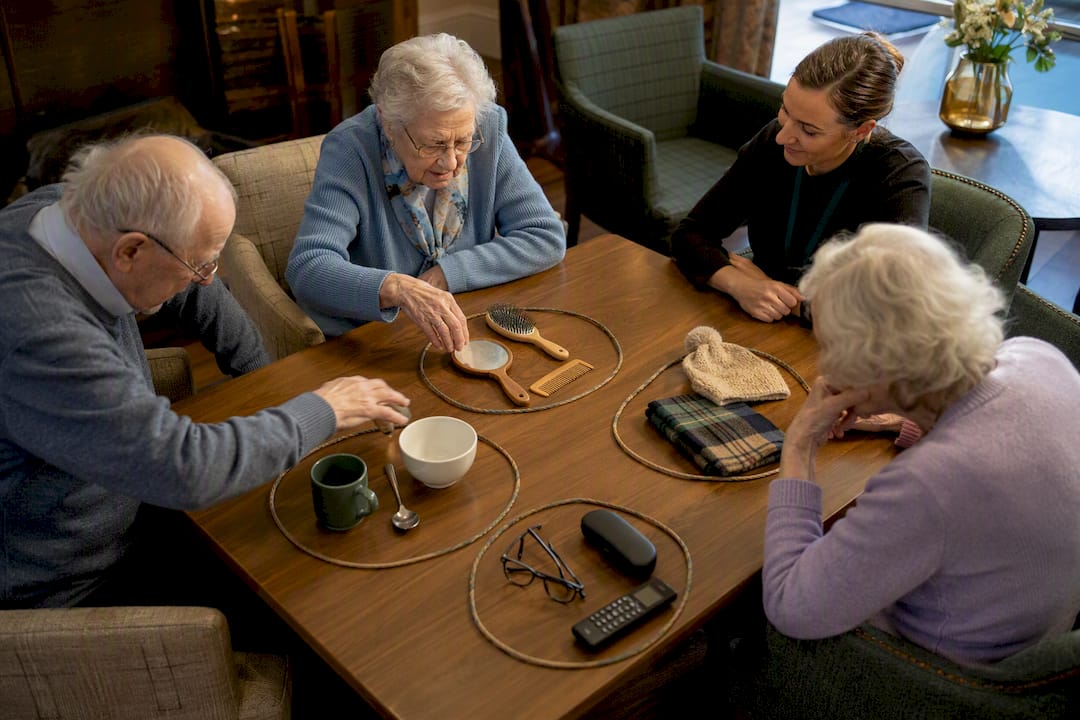
Funding questions come up early, and they're worth asking about directly. Attendance Allowance can help toward costs for many families, a council needs assessment may identify a financial contribution, and some families choose to self-fund privately rather than wait on assessment timelines. Cheshire East's adult social care team can advise on which route applies to your situation.
The appeal of a purpose-built day club over a weekly community group is straightforward: it's a full day rather than an hour, with meals, structured therapy and consistent staff who get to know the person by name. The Alderley Clubhouse in Nether Alderley runs on exactly this model, and families curious about a trial day can check Day Pass Membership availability directly.
How to get help in practice
Knowing the services is one thing. Actually picking up the phone with the right information ready makes the whole process faster.
- Call your GP practice and ask specifically for a memory assessment, not just a general appointment.
- Note down three recent, specific examples of memory or function changes beforehand, this single step speeds up referrals more than almost anything else.
- Expect a referral to the Memory Service, followed by an assessment appointment, usually within a few weeks.
- Once diagnosed, ask directly whether the Dementia Reablement Service is appropriate.
- Have ready: full name, GP practice, a brief description of the changes noticed, any safety concerns (wandering, forgotten cookers, falls), and a current medication list.
Assessment appointments generally involve a conversation about daily life, some memory testing, and a discussion of next steps. Bringing someone who knows the person well to that appointment tends to produce a fuller picture than the person attending alone.
Author perspective and The Alderley Clubhouse
I'm Scott, and I write with direct knowledge of The Alderley Clubhouse. It operates as a purpose-built day club open 9:30am to 4:30pm, with meals and hydration available throughout the day. Attendance is capped at a moderate number each day, so staff are able to know members personally, and the team delivers Cognitive Stimulation Therapy.
We're one paid option among several, not a replacement for your GP or the Memory Service. Read our guidance on booking day services alongside the NHS routes above, then decide what actually fits your week. You can explore our facilities or book a Day Pass if a trial day feels right.
What this guide gets right that others miss
Most dementia advice pages in Cheshire East treat the Memory Service as though it were a community group you can simply visit. It isn't. It's a clinical diagnostic pathway, and conflating it with drop-in support wastes precious weeks for families who could otherwise be building a wider support network in parallel with the referral, not after it.
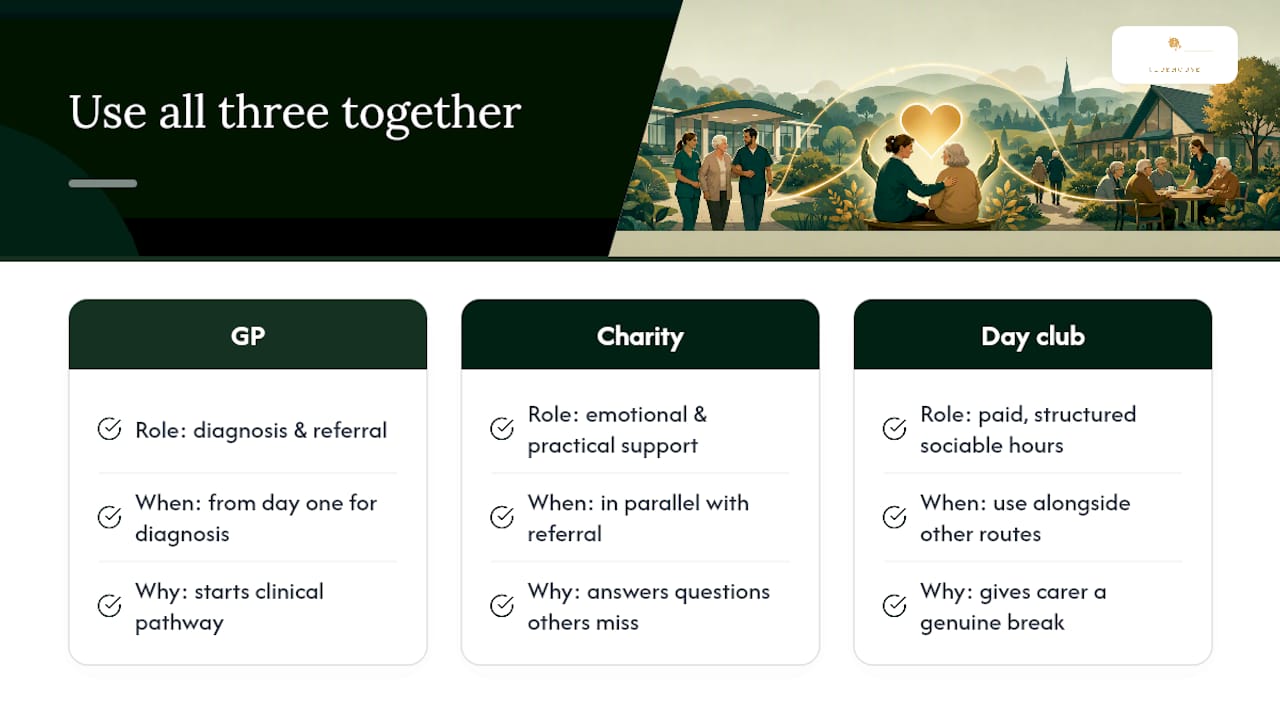
The bigger failure in conventional advice is sequencing. Guides tend to present NHS routes, charities and paid day care as alternatives to choose between, when in practice families who cope best use all three at once: the GP for diagnosis, a charity adviser for the emotional and practical questions nobody else answers well, and a paid day club for the structured, sociable hours that genuinely give a carer a break. Cheshire East's own dementia strategy points at roughly 5,730 people aged 65 and over living with dementia locally. That's not a small caseload for services already stretched thin, and it's exactly why acting on day one, rather than waiting for a perfect single solution, matters more than which door you knock on first.
— Scott @ The Clubhouse
A paid day club that fits around the support you already have
Some day clubs in Cheshire East offer a full-day alternative to piecing together short home visits or a single weekly community group, often including meals and refreshments throughout the day.
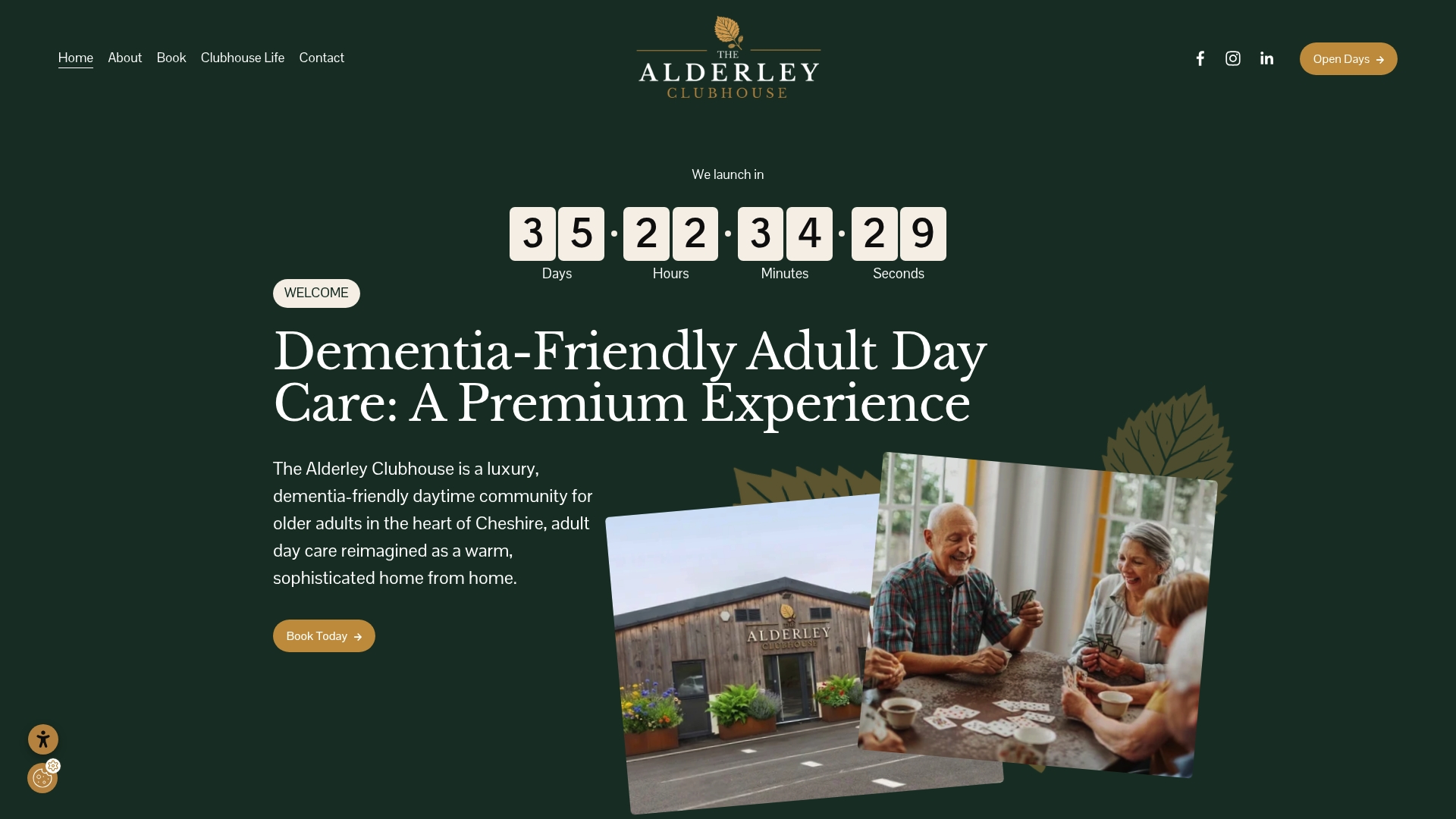
Where NHS services handle diagnosis and community groups offer an hour or two of company, our day runs from 9:30am to 4:30pm with a full programme of physical, creative, cognitive and social activity, Cognitive Stimulation Therapy delivered by trained staff, and attendance capped at 35 so your relative is known by name from the first visit. It suits carers who need a dependable, full working day of cover, not just an occasional session, and families comparing options after reading this guide can see exactly what a day looks like on our facilities page. If a trial day feels like the right next step, book directly through Day Pass Membership and see how the week changes.
This article is general information, not a substitute for advice from a qualified doctor. Consult a qualified healthcare professional about your own circumstances before acting on anything here.
Sources
- Dementia Reablement Service (Cheshire East Council)
- Memory Service - Cheshire East (Cheshire and Wirral Partnership NHS Foundation Trust)
- Age UK Cheshire
- Alzheimer's Society regional dementia advice
FAQ
What dementia groups are available in Cheshire East?
Cheshire East has a mix of NHS-linked services and voluntary groups, including memory cafés and friendship groups run through Age UK Cheshire and regional charities such as Together Dementia Support. Phone ahead to confirm session times, as most run weekly rather than daily.
Where can I find support for people with early onset dementia?
Start with your GP for a referral to the Memory Service, which handles diagnosis regardless of age. Alzheimer's Society also offers dementia advisers who can point younger people specifically toward age-appropriate groups and activities.
What kind of help is available for dementia patients at home?
Domiciliary care agencies can cover personal care, medication and meal support, and an occupational therapy assessment can identify home adaptations that reduce falls risk. Assistive technology, such as pill dispensers and movement sensors, can add an extra layer of safety between visits.
What charities support people with dementia?
Age UK Cheshire and Alzheimer's Society are the two main charities offering local advice, day care signposting and adviser services in Cheshire East. Together Dementia Support also runs friendship groups and cafés across the wider region.
How much does The Alderley Clubhouse cost?
Current pricing for Day Pass Membership is available directly on our booking page, which lists the latest options for a single day or a multi-session pass.