
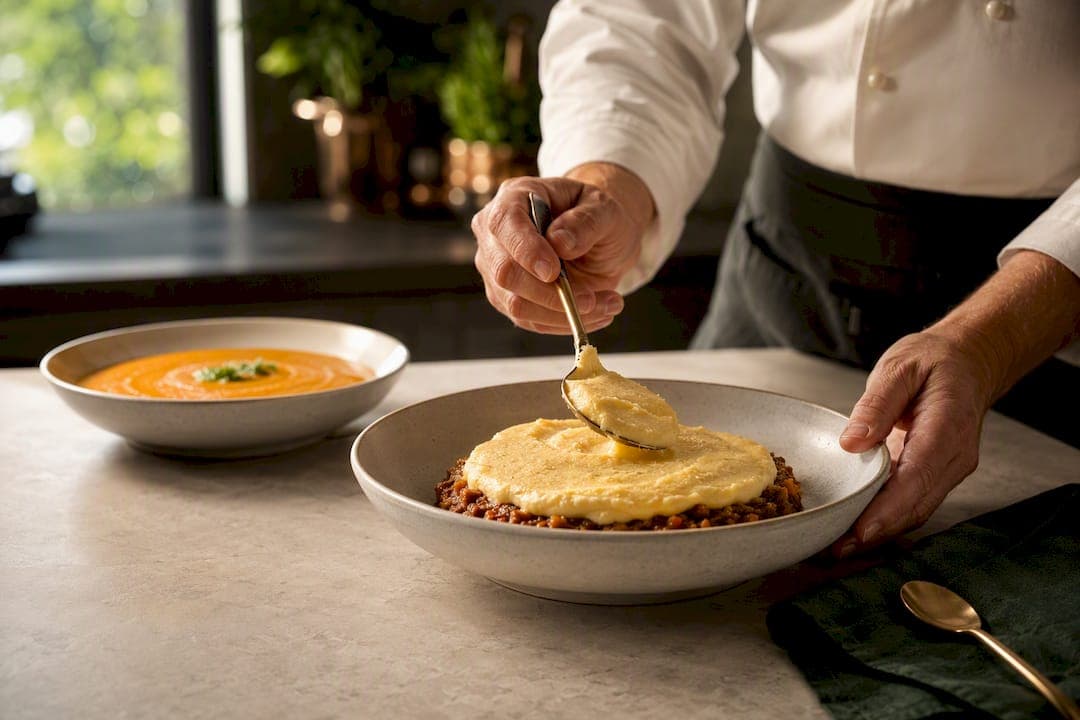
Most everyday dishes, from shepherd's pie to fruit crumble, can be safely turned into smooth, spoonable Level 4 purees with the right cooking, liquid and testing. Breakfasts, soups, blended mains, snacks and desserts all work well: think porridge, blended scrambled eggs, pureed chicken in gravy, creamy carrot soup, or a fruit mousse. Always check against IDDSI or NHS texture guidance, and speak to a speech and language therapist or dietitian if you're unsure.
TL;DR:
- Most cooked dishes, including meats, vegetables, soups, desserts, and breakfast options, can be transformed into safe, smooth purees suitable for Level 4 diets.
- Using warm liquids like stock, milk, or gravy is essential for flavor and nutritional retention, while cold liquids can dilute taste and nutrients.
- To boost calories and protein, incorporate ingredients like milk powder, cream, nut butters, or blended tofu without altering the food's texture.
- Avoid fibrous, seeded, or stringy foods such as raw vegetables, whole nuts, skins, and seeds, as they can remain hazardous even after blending.
- Presentation, aroma, and warmth significantly influence appetite and enjoyment, making appealing plating and familiar recipes crucial for encouraging eating.
Table of Contents
- Quick pureed food ideas for every mealtime
- Soups, broths and savoury purees: reliable bases to build on
- How to add calories and protein without changing the texture
- Foods to avoid and how to check the texture is safe
- Equipment, batch cooking and safe storage
- Making pureed meals appealing: what we've learnt at the Clubhouse
- A simple two-day meal plan and shopping checklist
- Why dignity matters as much as nutrition
- Sources
Quick pureed food ideas for every mealtime
Feeding someone on a pureed diet can feel like starting from scratch each day, but you don't need a different recipe for every meal. Most dishes you already cook can be blended, thinned and served with a little extra care. Here's how we'd break a day down, mealtime by mealtime.
Breakfast
- Blended porridge or instant oats loosened with warm milk, mashed thoroughly until no oat husks remain.
- Pureed banana whisked into full-fat yoghurt, a favourite for its natural sweetness and creamy mouthfeel.
- Blended scrambled eggs, made softly with extra milk or cream, then passed through a sieve if any solid curds remain.
Mid-morning and afternoon snacks
- Fruit and yoghurt smoothies, using ripe, seedless fruit such as mango or ripe pear.
- Blended milk puddings such as rice pudding, custard or crème caramel.
- Milk-based shakes enriched with a scoop of protein powder for extra nutritional value without extra volume.
Lunch
- Pureed split pea or carrot soup, blended smooth and thinned with stock or milk.
- Blended fish pie, combining flaked fish, mashed potato and a milk-based sauce.
- Pureed pasta with a tomato and cheese sauce, blended together rather than kept as separate textures.
Dinner
- Pureed roast meat with gravy and creamy mashed potato, blended as one unit rather than three separate purees.
- Pureed curry with a smooth, seed-free sauce, thinned with coconut milk or stock.
- Pureed shepherd's pie, mince and mash blended together with a little extra gravy for moisture.
Dessert
- Custard, chocolate mousse or a blended yoghurt parfait.
- Pureed fruit compote made from cooked, skinned apples or pears.
- Softened ice cream or frozen yoghurt, which needs almost no preparation at all.
For each of these, the trick is the same: use warm liquid (stock, milk, gravy or cream) rather than cold water, which dilutes flavour, and add a spoonful of butter, cream or powdered milk if you need more calories without more volume.
Soups, broths and savoury purees: reliable bases to build on
A handful of base recipes will carry you through most of the week. Master these and you can vary flavour daily without starting from nothing each time.
- Potato and leek base. Boil until completely soft, blend with warm milk and a little butter until silky.
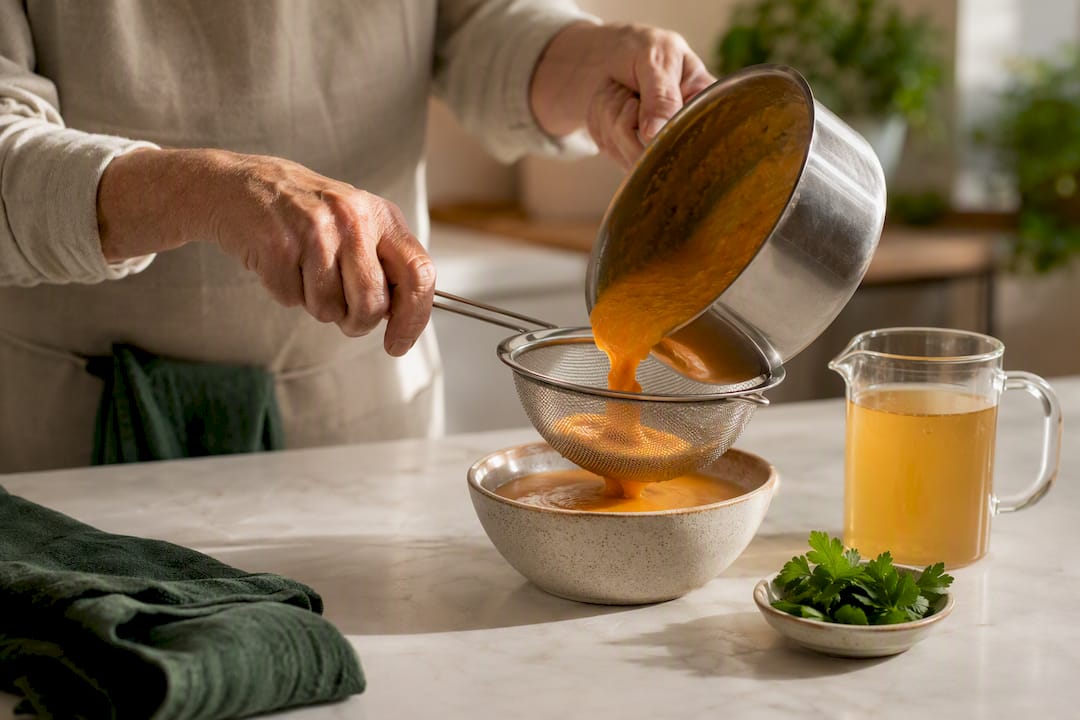
- Carrot and swede. Cook until falling apart, blend with vegetable stock, and pass through a sieve if any fibrous threads remain.
- Cauliflower and cheese. Steam until very tender, blend with cheese sauce for a smooth, mild dish.
- Lentil. Cook lentils fully, blend with stock; lentils break down easily and rarely need straining.
- Split pea. Simmer until the peas collapse, blend with stock and a touch of cream.
Once you have a smooth base, boosting protein is straightforward: blend in cooked chicken, flaked white fish, or well-cooked lentils, or stir in a spoonful of unflavoured protein powder once the mixture has cooled slightly. NHS guidance on pureed diets points out that many standard comfort foods, including casseroles and soups, blend successfully once cooked until fully soft, with herbs and mild spices adding flavour safely.
For thinning, use stock, milk, cream or gravy rather than water, which waters down both taste and nutrition. If a soup still has lumps after blending, strain it through a sieve before serving. Keep seasoning gentle: soft herbs like parsley or basil, and mild spices such as cumin or paprika, work well without adding tough fibres.
How to add calories and protein without changing the texture
Many people on pureed diets eat smaller volumes than usual, so every spoonful needs to work harder nutritionally. Clinical guidance recommends nutrient-dense small meals, often 6 to 8 a day, rather than three large ones, precisely because volume is limited and appetite can be unpredictable.
Pro Tip: Add 2 to 4 tablespoons of non-fat dry milk powder to a bowl of soup or mashed potato. It disappears into the texture completely, but adds a genuine boost of protein and calcium.
A few reliable additions:
- Non-fat dry milk powder or a scoop of plain whey or pea protein stirred into soups, smoothies or mash.
- Full-fat dairy, double cream or blended smooth nut butters mixed into porridge or mashed vegetables.
- Mashed avocado folded into savoury purees for extra energy and a pleasant, silky texture.
- Cottage cheese, ricotta or blended tofu whisked into vegetable purees for a protein lift that doesn't alter mouthfeel.
- Small, calorie-dense snacks between meals, such as a yoghurt or a milky pudding, rather than relying on mealtimes alone.
Nutrition guidance from Cambridge University Hospitals confirms that adding milk powder, protein powder or cream genuinely increases nutritional density, and that frequent small meals help maintain weight and micronutrient intake for people managing swallowing difficulties. Using high-calorie liquids like cream or full-fat milk, rather than water, keeps the portion size manageable while still delivering the calories someone needs.
Foods to avoid and how to check the texture is safe
Certain textures are risky whatever the dish, because they resist even careful blending. Stringy foods like celery or pineapple, fibrous vegetables, seeded fruits, and anything with skins, husks or small bones can leave dangerous fragments even after a good blitz in the blender.
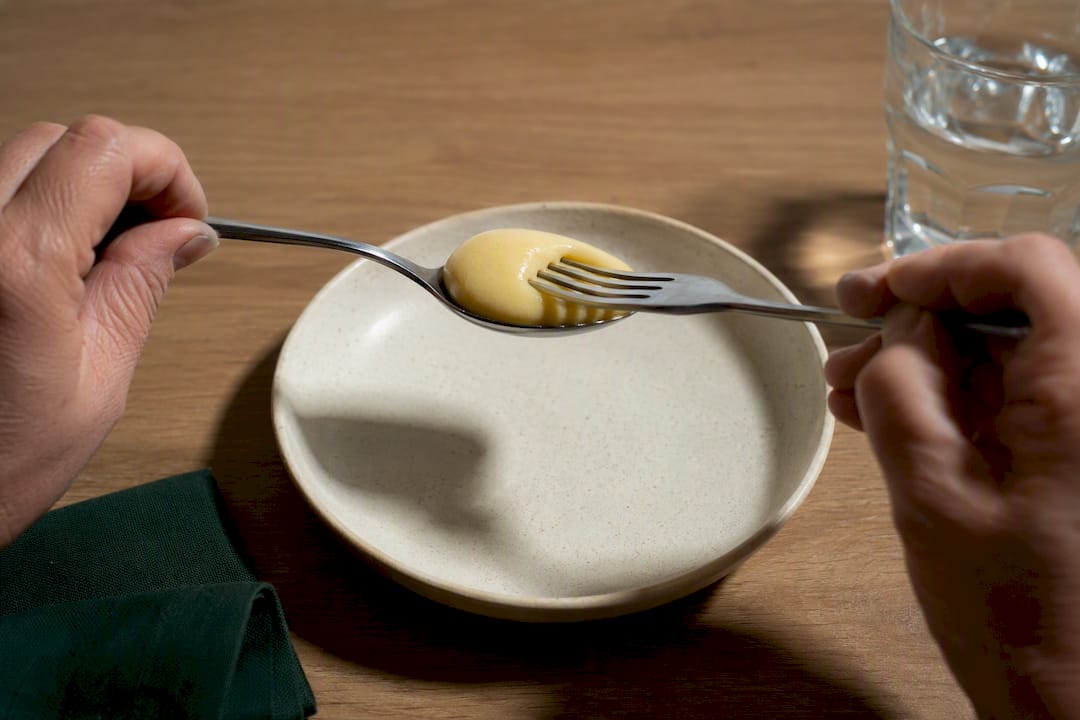
Foods to avoid unless thoroughly processed and strained include pineapple, raw vegetables, seeds, whole nuts, and fruit or vegetable skins. A Level 4 pureed diet needs to be completely smooth, moist enough to hold its own shape on a spoon, and require no chewing at all.
To check you've got it right, use the spoon test: a properly pureed food should sit on the spoon without dripping off, hold a smooth shape, and show no lumps, seeds or fibrous strands when you press it with the back of a fork. If you spot texture inconsistencies, sieve the mixture again or blend it a second time with a splash more liquid. When someone's needs are complex, particularly after a stroke or with progressive dementia, a speech and language therapist or registered dietitian can assess exactly what texture level is safe, and how that might change over time.
Equipment, batch cooking and safe storage
You don't need a professional kitchen to make good purees, just the right tools and a bit of planning. A hand-held blender is ideal for single portions, letting you texture-check straight in the serving bowl, while a jug blender handles bigger batches for the week ahead. Keep a fine sieve to hand for anything that resists a completely smooth finish.
- Freeze extra portions in small tubs or ice-cube trays for controlled, single-serving reheats.
- Label every container with the contents and date, since pureed dishes can look remarkably similar once frozen.
- Reheat thoroughly until piping hot all the way through, and never refreeze a portion once it's been reheated.
- Use tinned or frozen vegetables and ready-made pureed meals as a genuine timesaver on busy days.
Pro Tip: Batch-cook a big pot of soup or casserole at the weekend, then freeze it in ice-cube trays. You'll have grab-and-blend portions ready for a busy Tuesday evening, without sacrificing variety.
Practical preparation advice from OncoLink recommends removing skins, seeds and bones before cooking, adding liquid sparingly while blending, and straining any soup that still has lumps.
Making pureed meals appealing: what we've learnt at the Clubhouse
We've spent a good deal of time thinking about what makes a plate of pureed food genuinely enjoyable, rather than simply functional. Presentation matters far more than most people expect. Shaping each element with a mould, so the plate still resembles meat, vegetables and potato rather than one beige mound, helps preserve a sense of familiarity and dignity at the table.
A meal that looks like food, smells like food, and is served warm, at the right pace, in good company, is far more likely to be eaten. Appetite follows enjoyment just as much as it follows nutrition.
Aroma and temperature do a lot of the work too. A curry that's been blended smooth still smells like a curry, and that alone can lift someone's interest in eating it. Safe, soft herb garnishes, a sprig of parsley pureed into the sauce rather than left whole, add a visual note without any risk.
Chef-prepared lunches and traditional afternoon tea are often built around small, sociable servings and a consistent, familiar menu, because routine and company both support appetite. You can see how that plays out across the seasons in our summer menu, and our broader thinking on nutrition for people living with dementia covers presentation strategies in more depth.
A simple two-day meal plan and shopping checklist
A short plan takes the guesswork out of the week and helps make sure meals stay varied rather than repetitive.
Day one: blended porridge with milk for breakfast; a mid-morning fruit and yoghurt smoothie; pureed carrot soup with added lentils for lunch; a milky rice pudding as an afternoon snack; pureed shepherd's pie for dinner; chocolate mousse for dessert.
Day two: pureed banana and yoghurt for breakfast; a protein-enriched milkshake mid-morning; blended fish pie for lunch; custard as an afternoon treat; pureed chicken curry with smooth sauce for dinner; a pureed fruit compote to finish.
Shopping checklist:
- Powdered milk and stock cubes or fresh stock for thinning and enriching.
- Tinned lentils, split peas and beans for quick, protein-rich soup bases.
- Full-fat yoghurt, cream and butter for calorie boosting.
- A supply of unflavoured protein powder for smoothies and soups.
Portion, label and freeze extras from each cooked batch, following the storage steps above, so you're never starting from scratch on a busy day. For fresh flavour inspiration beyond the basics, Alvida Catering's seasonal recipe ideas show how classic winter dishes can be adapted into softer, blended versions.
Why dignity matters as much as nutrition
The research on pureed diets is heavily weighted towards safety and texture science, and rightly so, but it consistently underplays one thing: whether the person eating actually wants to. We think that's the gap conventional advice leaves unfilled. A perfectly smooth, perfectly safe puree that looks like grey paste on a plate will often go uneaten, no matter how nutritious it is.
Our view is that presentation and routine deserve equal billing with texture testing, not an afterthought at the end of a leaflet. Shape the food, keep mealtimes social, keep the menu familiar, and appetite tends to follow. Get the safety fundamentals right first, IDDSI level, thinning, straining, then spend real effort on the parts that make someone want to pick up the spoon. That's where we'd tell any carer to focus their energy once the basics are sorted, because volume and calories matter far less if the plate never gets touched.
— Scott @ The Clubhouse
If you're caring for someone who'd benefit from chef-prepared meals, thoughtful presentation and good company every weekday, The Alderley Clubhouse offers exactly that alongside a full daytime programme of activities in Cheshire.
This article is general information, not a substitute for advice from a qualified doctor. Consult a qualified healthcare professional about your own circumstances before acting on anything here.
Sources
For detailed texture guidance, the CUH patient information on Level 4 pureed diets and Memorial Sloan Kettering's Level 4 guide are excellent starting points. For more recipes, see the North Tees & Hartlepool NHS pureed meal ideas and Wiltshire Farm Foods' puree guide.
- Eating well on a pureed diet (CUH patient information)
- How to follow a Level 4 pureed diet (Memorial Sloan Kettering Cancer Center)
- Soft & pureed foods (OncoLink)