

Adult day care is a supervised daytime service for older people who need company, structure, or support to stay safe while family carers work or rest, with attendees returning to their own home each evening rather than moving into residential care. This distinction matters most for families weighing up their options: it is not a care home, and it is not the end of independent living. Here is who it typically helps:
- Older people with mobility difficulties or health conditions needing daytime support
- People living with dementia who benefit from structure and familiar faces
- Anyone at risk of isolation while their main carer is at work or needs a break
The NHS, Age UK, and the Alzheimer's Society all point families towards day care as a first step before considering more intensive support.
Key Takeaways
Adult day care gives people safe daytime supervision and social stimulation while they continue living at home, and choosing the right centre depends on matching care level, staff training, and schedule to individual need.
| Point | Details |
|---|---|
| Start with a taster | Book a single session before committing to a full weekly schedule, especially for dementia. |
| Match the model to the need | Social centres suit companionship needs; medical or dementia-specialist centres suit complex care. |
| Check funding routes early | Contact your local authority for a needs assessment and check Attendance Allowance eligibility. |
| Verify safety signals | Confirm CQC registration where applicable, DBS checks, and dementia training before enrolling. |
| Visit Alderley Clubhouse | See a premium, capped-capacity, dementia-friendly day club in Cheshire with a welcome tour or day pass. |
Table of Contents
- What is adult day care and who does it suit best?
- What types of adult day care are available?
- What does a typical day at a day centre look like?
- What are the benefits of adult day care?
- How much does adult day care cost in the UK, and how is it funded?
- How do you choose a good day centre?
- Is adult day care regulated and how do you check it's safe?
- Alderley Clubhouse: a dementia-friendly example in Cheshire
- How can you book a visit or day pass at Alderley Clubhouse?
- Frequently asked questions
- Sources
What is adult day care and who does it suit best?
Day care tends to suit people showing specific warning signs at home. Safety concerns top the list. So does creeping social isolation, a loosening grip on daily routine, or a family carer approaching burnout while trying to juggle a job alongside caring duties.
For dementia specifically, watch for someone who has stopped initiating conversation, who seems anxious without a fixed routine, or who has begun wandering. These are the moments when a dementia-friendly programme tends to help more than a general social club.
- Frequent falls, near misses, or unexplained bruising
- Withdrawal from hobbies, friends, or conversation
- Carer exhaustion, missed appointments, or resentment building at home
Pro Tip: Don't commit to five days a week from the outset. Book a single taster session first. It tells you far more about fit than any brochure.
What types of adult day care are available?
Provision in the UK splits broadly into four models, and the right one depends on what your relative actually needs rather than what happens to be nearest.
- Social day centres focus on companionship, games, and conversation, suiting people who are lonely but largely independent.
- Medical or health-led day centres provide nursing oversight, therapy, and monitoring for more complex conditions.
- Dementia-specialist programmes run structured, sensory-aware activities with staff trained specifically in dementia care.
- Transport and meal-focused services prioritise getting people out of the house and fed well, with lighter activity provision.
Staff training and personal-care support vary sharply between these models. Some activity groups aimed at early-stage dementia run purely as social sessions and offer no help with toileting, feeding, or mobility, so always ask directly what level of personal care is included before assuming it is covered.
What does a typical day at a day centre look like?
Most centres run on weekdays, with the day built around arrival, activity, food, and rest in a fairly consistent rhythm. A sample schedule usually runs something like this:
- 9:00 to 9:30am: Arrival, registration, and a settling-in cup of tea
- 9:30 to 11:30am: Morning activity session (exercise, music, or reminiscence work)
- 12:00 to 1:00pm: Hot lunch, often the day's social highlight
- 1:00 to 2:00pm: Quiet time or rest for those who need it
- 2:00 to 3:30pm: Afternoon activity, then preparation for departure
Personal care varies by centre. Many offer medication prompts and help with grooming, while others stick to meals and supervision only. Transport is often available, though not universally, so it is worth confirming before you book.
What are the benefits of adult day care?
Adult day care gives structure and stimulation to attendees while giving carers a genuine break, and both halves of that equation matter equally.
For people living with dementia, the gains tend to be practical rather than abstract. Reminiscence activities, cognitive stimulation, and a predictable routine in a secure setting all support wellbeing in ways that sitting at home alone simply cannot replicate.
A review summarised by AARP found that adult day programmes deliver measurable social, psychological, and behavioural benefits for attendees, with particularly strong outcomes reported for people with dementia and the carers supporting them.
- Better sleep for both attendees and carers, thanks to a more structured day
- Reduced carer stress and fewer burnout symptoms
- More consistent daily routine, which tends to ease dementia-related anxiety
How much does adult day care cost in the UK, and how is it funded?
Most families pay privately for adult day care, though several funding routes are worth checking before you assume the full cost falls on you.
The main options are:
- Private payment, arranged directly with the centre
- Local authority adult social care assessment, which may unlock partial funding depending on your relative's needs and finances
- Attendance Allowance, a non-means-tested benefit that can help cover care costs once someone has needed help for six months
- Veterans' welfare support, for those with a forces background
- Charity grants, sometimes available through local Age UK branches or dementia charities
To start exploring funding, follow these steps:
- Contact your local authority's adult social care team to request a needs assessment; this is free and does not commit you to anything.
- Check your relative's eligibility for Attendance Allowance via the NHS guidance on care and support, regardless of income or savings.
- Gather paperwork before any appointment: GP letters, a summary of daily difficulties, current medication list, and details of existing care arrangements.
- Ask the day centre directly about sliding-scale fees or short-term respite funding, particularly for locally run services in Cheshire.
Many families end up combining a couple of these routes rather than relying on one alone.
How do you choose a good day centre?
The single most useful thing you can do is book a visit and bring a list of questions, then watch how staff actually behave rather than just what the brochure claims.
On your visit, check for:
- A written, individualised care plan agreed before attendance begins
- DBS checks confirmed for all staff, not just senior team members
- A sensible staff-to-attendee ratio, especially for dementia-specific sessions
- Explicit dementia training, such as Dementia Friends or an equivalent programme
- A sample activity you can observe or join
- Mealtime conditions: dignity, pacing, and whether dietary needs are catered for
- Accessibility of the building and reliability of transport arrangements
Red flags are just as telling. Be wary of vague or missing care plans, no visible DBS confirmation, high staff turnover, poor hygiene standards, or a refusal to offer a trial visit before asking for a commitment.
Pro Tip: Ring ahead, then arrange a taster session before signing anything. Bring a summary of your relative's medical history and daily routine so staff can build a genuinely personalised plan from day one, and follow up afterwards to check the written care plan matches what you actually saw.
Is adult day care regulated and how do you check it's safe?
Look for clear registration and inspection details, confirmed DBS checks on staff, and explicit dementia training before trusting any centre with your relative's care.
The Care Quality Commission regulates services providing personal or nursing care in England, so ask whether a centre is CQC-registered and what its most recent inspection rating says. Not every social day club falls under CQC remit, particularly the lighter, activity-only groups, so this is worth clarifying directly rather than assuming.
Practical checks worth making before you commit:
- Ask to see the centre's most recent inspection rating, if CQC-registered
- Confirm staff training policies, including Dementia Friends or an equivalent scheme
- Ask about staff-to-attendee ratios during both quiet and busy periods
- Check what emergency procedures are in place, including medical incidents
Alderley Clubhouse: a dementia-friendly example in Cheshire
The Alderley Clubhouse shows what a premium, hospitality-led day club looks like in practice rather than in theory. Every attendee is known by name, daily numbers are capped for genuinely personalised attention, and the setting favours warmth and comfort over anything clinical.
Meals are chef-prepared rather than reheated, and the activity programme is built around individual interests instead of a one-size-fits-all timetable. On a welcome tour, you can expect to see the written care planning process in action, meet trained staff directly, and ask about ratios and dementia-specific training face to face.
- Dementia-friendly design throughout the building
- Personalised activity programmes matched to individual interests
- Chef-prepared meals served with genuine attention to detail
- Capped daily attendance for a more personal experience
Pro Tip: Bring a short written summary of your relative's routine, favourite activities, and any medication timings to your first visit. It helps staff build rapport from the very first day.
Why visiting early matters more than most families realise
Starting gradually beats starting all at once, particularly for someone living with dementia. A taster session, often available at lower cost, lets your relative build familiarity before any full commitment.
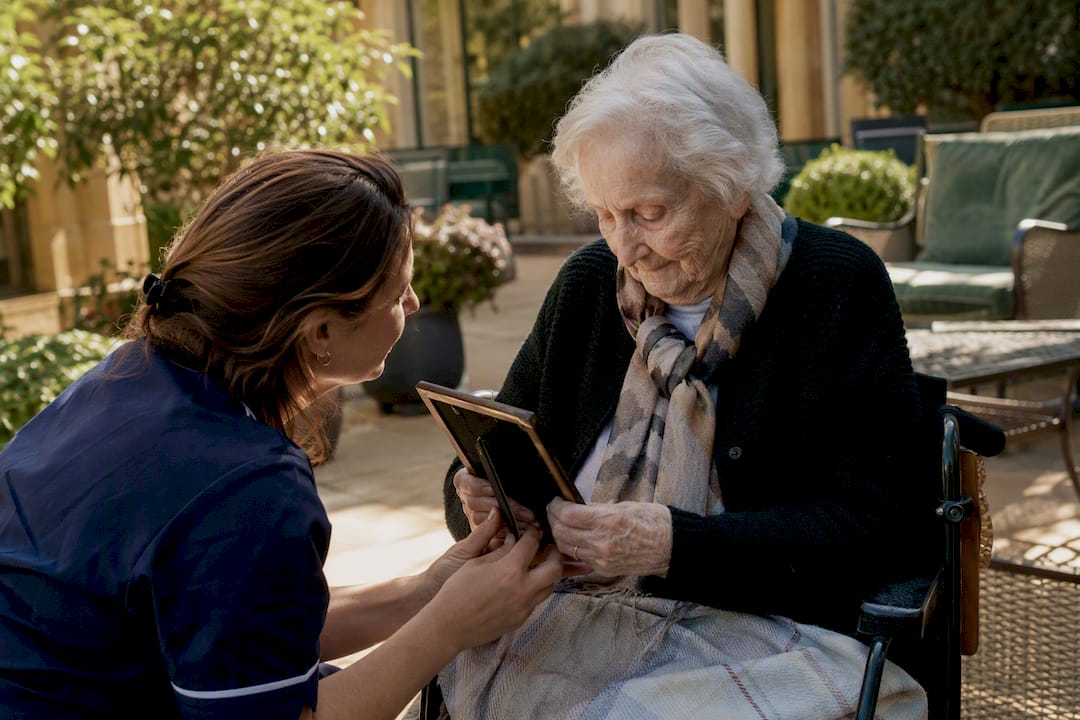
Increase attendance slowly, and bring a familiar object or reference point from home if it helps ease the transition. Local guidance from the NHS and the Alzheimer's Society both back this gradual approach for reducing relocation stress.
How can you book a visit or day pass at Alderley Clubhouse?
There is real value in seeing a dementia-friendly day club for yourself before making any decision, and Alderley Clubhouse makes that first step simple. Instead of researching endless brochures or committing to a full weekly schedule blind, you can book a single welcome tour and judge the environment, the staff, and the atmosphere with your own eyes.
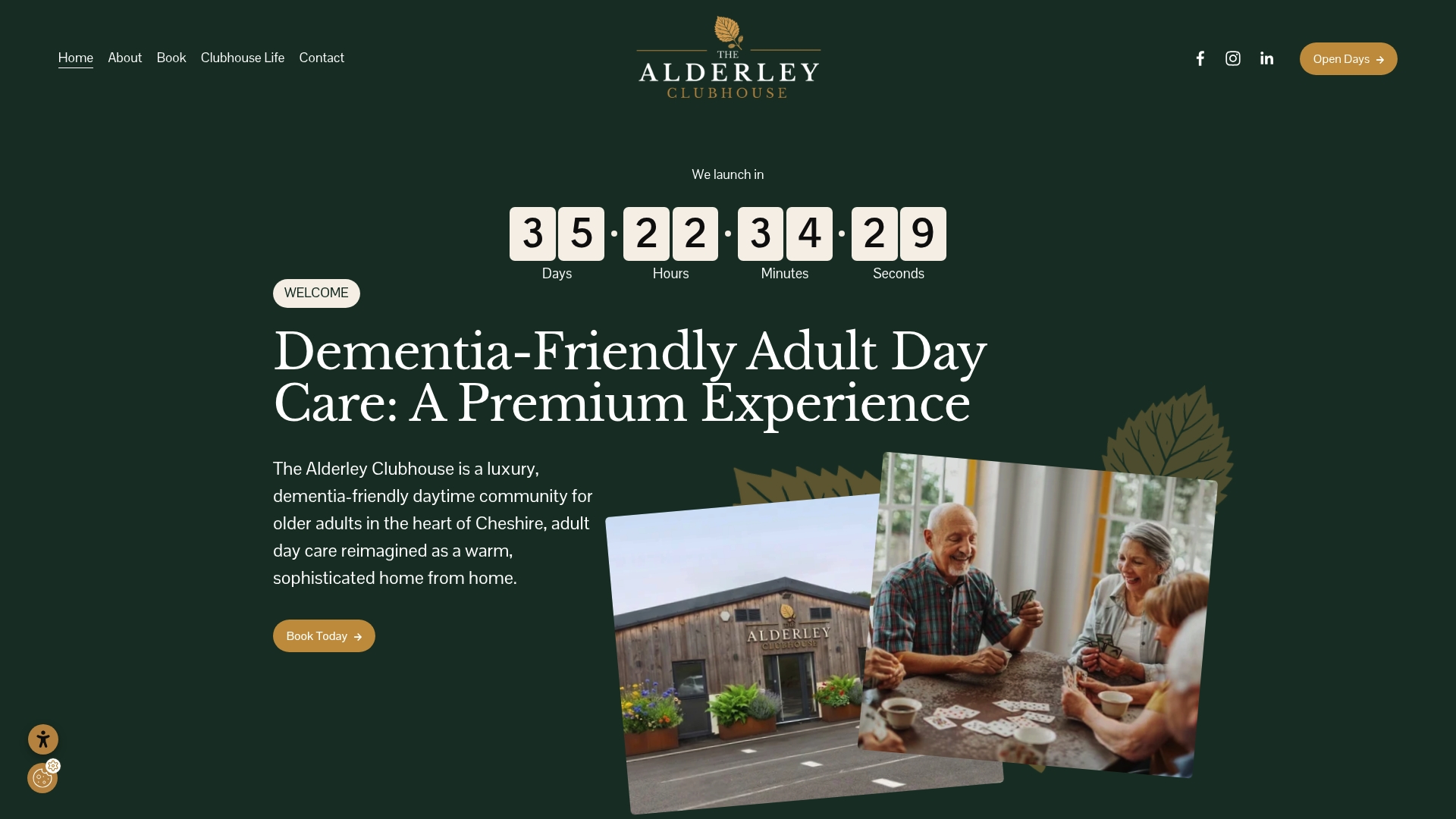
On the tour, expect a walk through the facilities, an introduction to the team, and a straightforward conversation about your relative's needs. Bring a medication list and a short note on daily routines so the care planning conversation starts from a genuinely useful place. If it feels right, you can move straight to a day pass for a taster session, with a bespoke care plan built around your relative once membership begins. No pressure to commit to more than that first visit.
Frequently asked questions
What is adult day care exactly? Adult day care is a supervised daytime service offering activities, meals, and sometimes personal care for older people, with attendees returning home each evening rather than staying overnight.
Is adult day care only for people with dementia? No. It also suits people with mobility difficulties, general frailty, or social isolation, though many centres run dementia-specific programmes for those who need them.
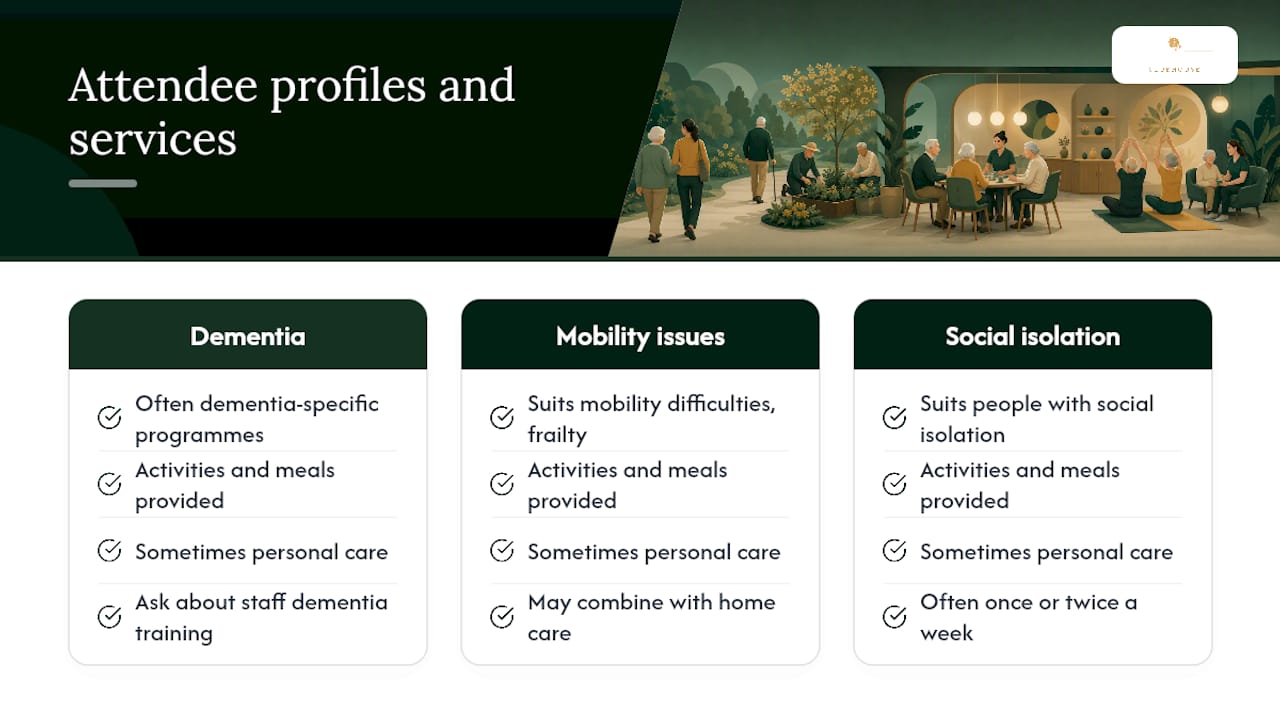
How many days a week do people typically attend? This varies widely. Some attend daily, others just once or twice a week, often combining a day centre with home care to cover the rest of the week.
Does the NHS pay for adult day care? Funding usually comes from private payment, local authority support following a needs assessment, or Attendance Allowance, rather than directly from the NHS.
How do I know if a centre is dementia-friendly? Ask specifically about staff dementia training, such as Dementia Friends, staff-to-attendee ratios, and how the physical environment is adapted for sensory needs.
Sources
- Adult day care can benefit older adults and their caregivers - Harvard Health
- What Is Adult Day Care and How Can it Help Caregivers? - AARP
- Bright Memories Dementia Service - Age UK Cheshire